top of page


Search


Why Does My Jaw Pop Without Pain Common Causes Explained
A jaw pop can sound dramatic, especially when it happens during a yawn, a big bite, or a morning stretch. If there is no pain, no locking, and no trouble chewing, jaw popping is often not a sign of a serious problem. The sound usually comes from the temporomandibular joint, often shortened to TMJ. This joint sits in front of each ear and connects the jawbone to the skull. It works every time you talk, chew, swallow, sing, or open your mouth. Because it moves so often, small c
drbraydpt
Oct 218 min read


Understanding Jaw Stiffness: Is It Always TMJ or Could It Involve Neck and Shoulder Muscles?
Jaw stiffness is a common complaint that can disrupt daily life, making simple actions like chewing, speaking, or yawning uncomfortable. Many people immediately associate this discomfort with temporomandibular joint (TMJ) disorders, but jaw stiffness does not always point to TMJ issues alone. In fact, muscles in the neck and shoulders can also contribute to or even cause jaw stiffness. Understanding the connection between these areas can help you identify the root cause and f
drbraydpt
Oct 164 min read


What does Cranial Compliance have to do with Chronic Pain?
Skull side view Since I began my journey into the world of healthcare, I was taught very early on that the cranial bones are composed of multiple synarthrotic joints, which are fibrous and immoveable in nature. These joints typically fuse in early adulthood, creating a solid structure that protects the brain and supports various functions. However, recent research and emerging evidence suggest that the dynamics of cranial bones may be more complex than previously understood.
drbraydpt
Oct 62 min read


Anxiety and Our Body
The brain's limbic system is comprised of the hippocampus, amygdala, and the hypothalamus. It is responsible for the majority of emotional processing, storage of memories, sexual arousal, and learning. Individuals with an anxiety disorder may have heightened activity in these areas. The main function of the amygdala is in emotional responses, including feelings of happiness, fear, anger, and anxiety. The amygdala is linked to your fight or flight response. Anxiety happens

Kristie Bray, LPCC
Sep 252 min read


What Is SCM-Related Pain?
Pain and discomfort in the neck can come from many different structures, including muscles, joints, nerves, and surrounding connective tissues. One muscle that is frequently involved in neck pain and related symptoms is the sternocleidomastoid, commonly called the SCM. The SCM is a large, rope-like muscle located on each side of the neck. It runs from behind the ear down to the breastbone and collarbone. This muscle plays an important role in turning and tilting the head, hel
drbraydpt
Sep 22 min read


How Positive Self-Talk Can Help With Pain
Pain is not “all in your head,” but the way we think and respond to pain can influence how our nervous system experiences it. When pain persists, it is easy to fall into fearful or negative thoughts such as, “This will never get better”or “Something must be seriously wrong.” These thoughts can increase stress and tension, which may make pain feel even more overwhelming. Positive self-talk does not mean pretending the pain is not real. Instead, it involves responding to yourse
Kristie Bray, LPCC
Aug 141 min read


Why Am I Still Suffering from TMJ Pain After Trying All Treatment Options
Temporomandibular joint (TMJ) pain can be relentless. You may have seen an ENT specialist, worked with a physical therapist, undergone dental treatments, had an MRI, and even tried bite guards. Yet, the pain persists. This ongoing discomfort can be frustrating and confusing. Why doesn’t the pain go away despite all these efforts? This post explores common reasons why TMJ pain may linger and what you can do next. Detailed model of the temporomandibular joint showing bone and c
drbraydpt
Jul 203 min read


The Connection Between Anxiety Stress and TMD Issues Explained
Temporomandibular joint disorder (TMD) affects millions of people worldwide, causing pain and discomfort in the jaw, face, and neck. While many factors contribute to TMD, anxiety and stress play a significant role in triggering or worsening these issues. Understanding how emotional and psychological states impact TMD can help those affected find better relief and manage their symptoms more effectively. Anatomy of the temporomandibular joint showing jaw connection Close-up vie
drbraydpt
Jun 183 min read


Exploring Low-Level Laser Therapy for TMJ-Related Pain and Trigeminal Neuralgia Relief
Temporomandibular joint (TMJ) disorders and trigeminal neuralgia cause intense facial pain that disrupts daily life. Traditional treatments often focus on managing symptoms but may not address the underlying nerve irritation. Low-level laser therapy (LLLT) has emerged as a promising option to reduce pain by calming affected tissues and nerve roots. Research shows LLLT can lower pain intensity and frequency for several neuropathic orofacial conditions, including TMJ-related pa
drbraydpt
Jun 63 min read
Where's that pain coming from?
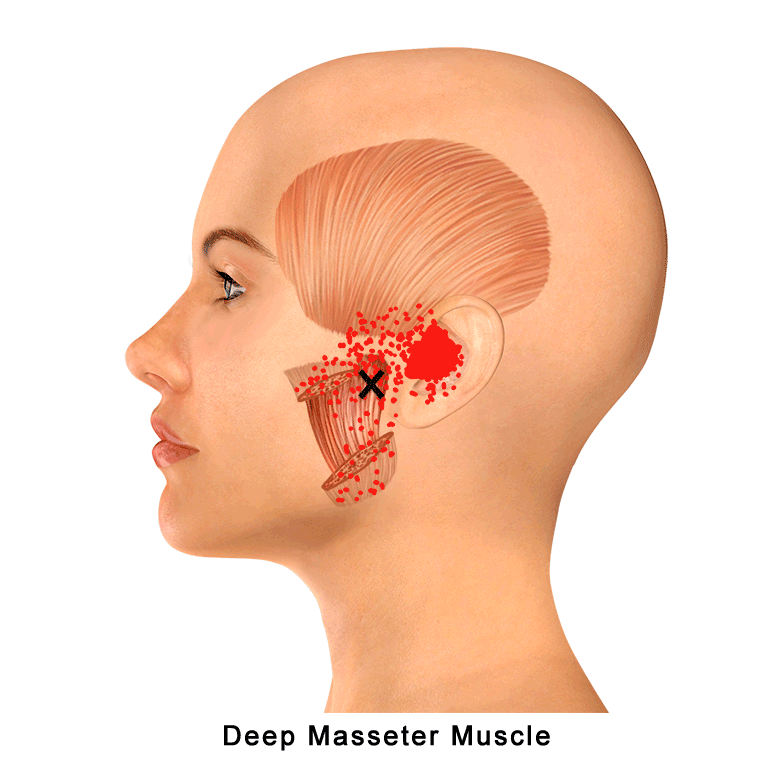
We may have perceived pain in one part of our body but the site that the pain is originating from maybe a different spot. This is called...
drbraydpt
May 27, 20252 min read


Do cranial bones move?
One of the components of the cranial concept for practitioners who practice cranial manipulative therapy is that the bones of the head...
drbraydpt
Apr 14, 20254 min read


TMJ DISORDER SYMPTOMS CAN MIMIC CHRONIC SINUSITIS
Did you know that TMJ disorder and chronic sinusitis share many of the same symptoms? Headaches, jaw and neck pain, facial pressure,...
drbraydpt
Apr 14, 20252 min read


Music to my Ears - Binaural Beats
By: Kristie Bray, LPCC Over the past year I have been having patients with anxiety and a few other disorders try binaural beats. Let's...
Kristie Bray, LPCC
Jul 25, 20234 min read


Physical Symptoms of Anxiety
Headaches…Stomach aches…Nausea…Muscle pain…Tension in jaw. All of these can be signs and symptoms of anxiety. Your autonomic nervous...
Kristie Bray, LPCC
Jun 22, 20232 min read
TMJ DISORDER SYMPTOMS CAN MIMIC CHRONIC SINUSITIS
Did you know that TMJ disorder and chronic sinusitis share many of the same symptoms? Headaches, jaw and neck pain, facial pressure,...
drbraydpt
May 15, 20232 min read


A Quick and Easy guide to Temporomandibular Disorders (TMD)
What is TMD? Temporomandibular disorders (TMDs) are a group of more than 30 conditions that can cause pain and dysfunction in the jaw...
drbraydpt
May 15, 20233 min read


Not talking about coffee grinding here. Bruxism...
Interesting facts about grinding. Bruxism or “teeth grinding” is a complicated phenomena which has a prevalence or 8-31.4% in the general...
drbraydpt
Apr 21, 20236 min read


A quick guide to Tinnitus
We are frequently asked about tinnitus. What can we do to help and what is causing the issue. Here are some points of interested for...
Kristie Bray, LPCC
Apr 21, 20232 min read


Squeeze the ringing out!
Assessment and management of benign tinnitus by CRAFTA® specialized therapists Introduction Tinnitus or “ringing in the ears” is a...
drbraydpt
Feb 21, 20237 min read


Depression and Pain?
By: Kristie Bray, LPCC Depression and pain go together. Depression can cause pain and pain can cause depression. It can be a cycle back...
Kristie Bray, LPCC
Jan 21, 20231 min read
bottom of page